A showcase of my work, experiments, and ongoing projects.
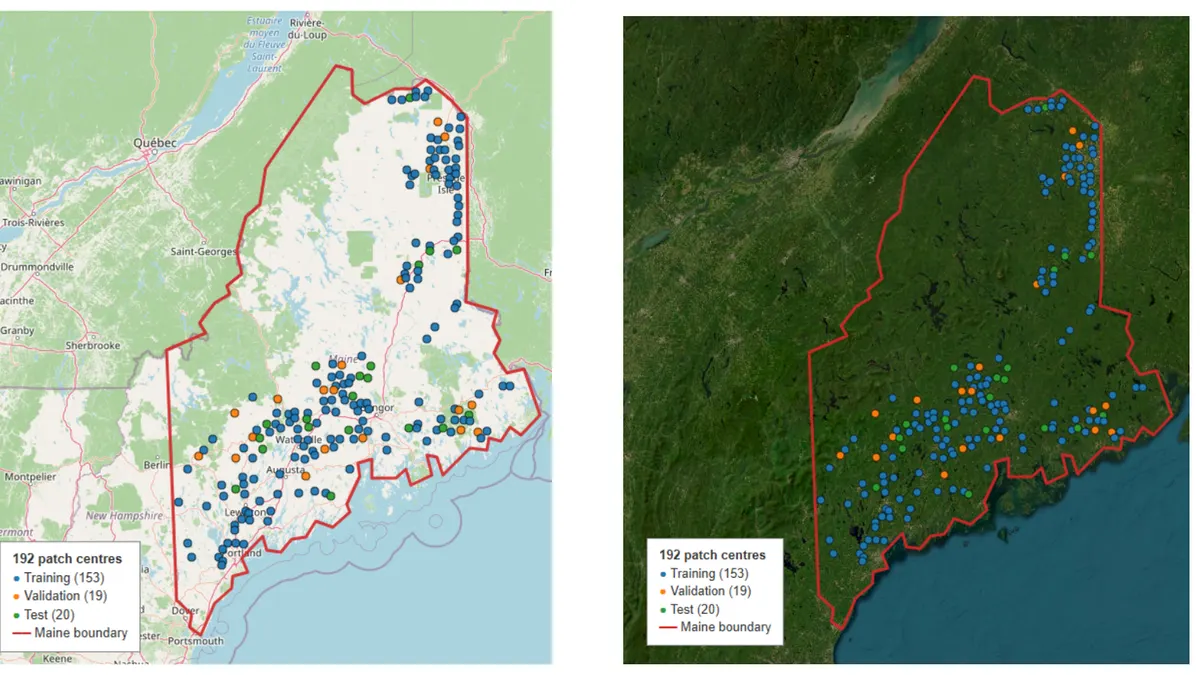
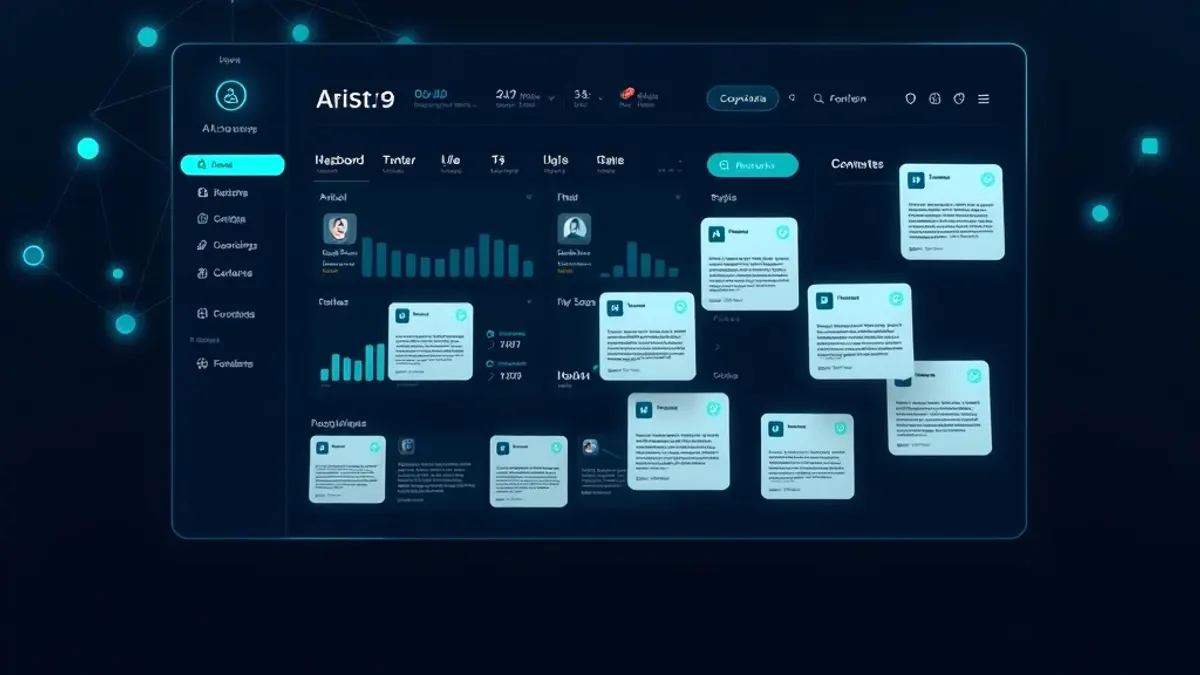
Comprehensive research into AI-powered Earth observation and satellite imagery analysis, focusing on TerraMind GFM and AlphaEarth technologies. This master's thesis explores cutting-edge developments in geospatial foundation models, multimodal data processing, and advanced machine learning architectures for satellite imagery interpretation.
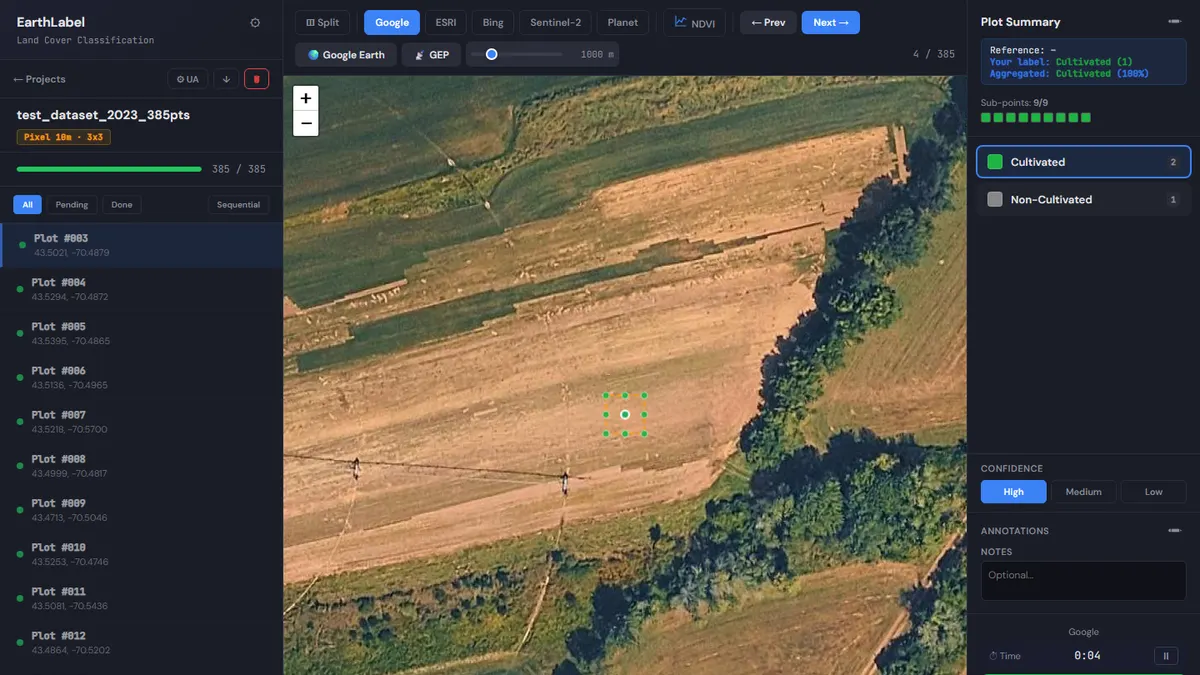
Self-hosted web platform for satellite image interpretation and land-cover validation, built with Xiao Tan as a lighter, faster alternative to Collect Earth Online. Multi-source high-resolution basemaps, 10 built-in LULC schemas and three assessment modes (point, pixel/plot, grid/cell), with every project stored as one portable JSON file on disk. It produced the independent human reference labels used for the MSc thesis accuracy assessment.
A comprehensive professional Python library for PlanetScope satellite imagery discovery, analysis, and processing. Designed for researchers, GIS analysts, and Earth observation professionals seeking advanced satellite data workflows.
Pan-India cadastral web platform that unifies land records scattered across 28+ separate state portals into a single mobile-first map: click any plot and see owner, ownership history, area, land type and source portal, in English, Hindi or Urdu. Built as a sprint-driven solo product over three days — a pluggable state-portal scraper framework, a Prisma/PostGIS schema with row-level security and audit logging, MapLibre mapping and GeoJSON/KML/PDF export. Deployed at land.trenlens.com; paused after sprint 7 on a government data-access blocker.
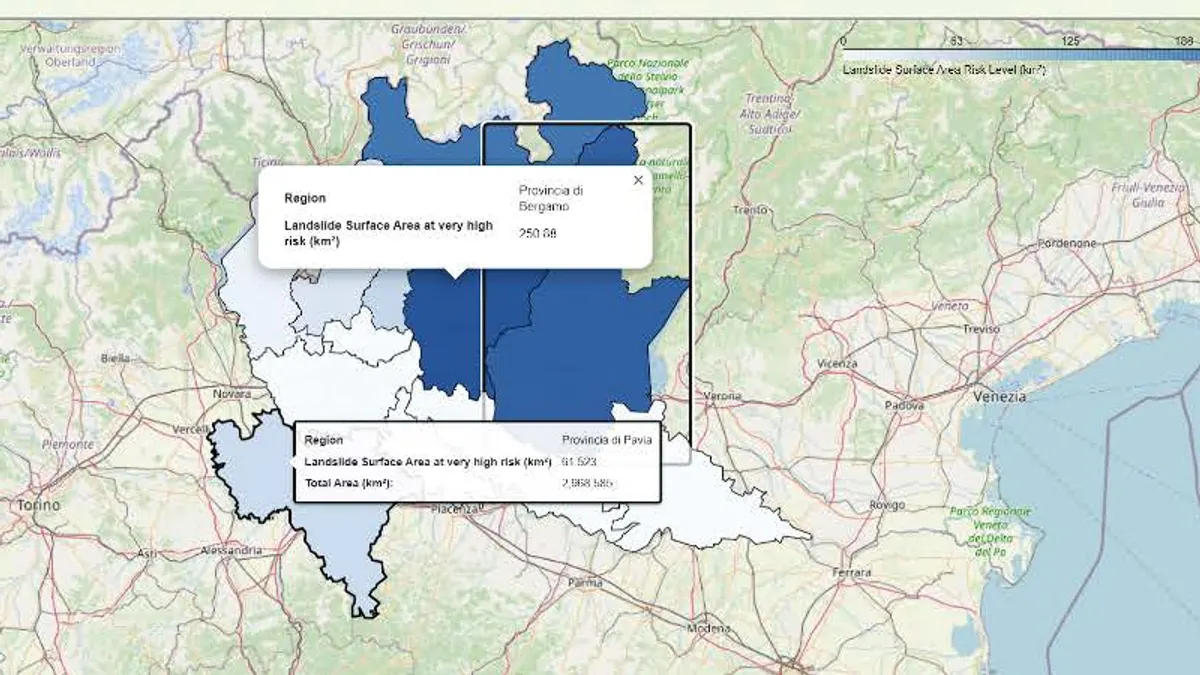
Developed Python-based risk analysis software for landslide monitoring. Utilized AWS relational database based on PostgreSQL with PostGIS extension for spatial data management and analysis.
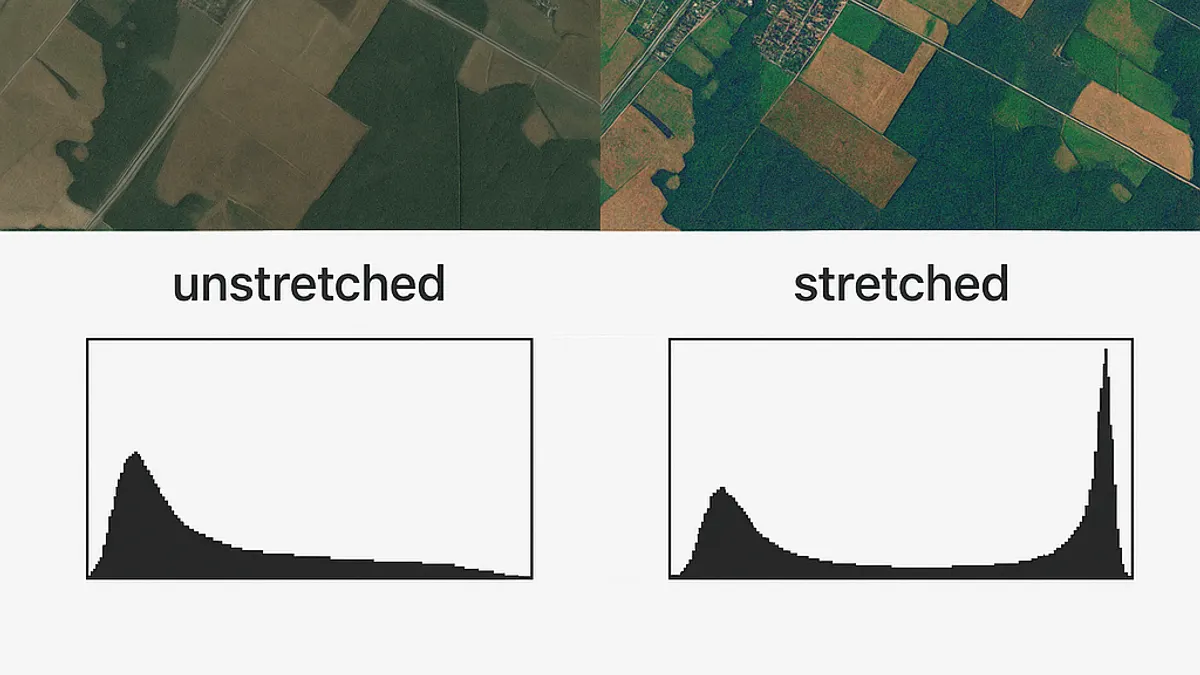
A Python library for geospatial raster enhancement through histogram manipulation. Offers stretching, matching, and equalization modules to improve image contrast and normalize datasets. Built with Rasterio and NumPy, it preserves spatial integrity while providing visualization tools for comparing original and processed imagery, essential for remote sensing applications.
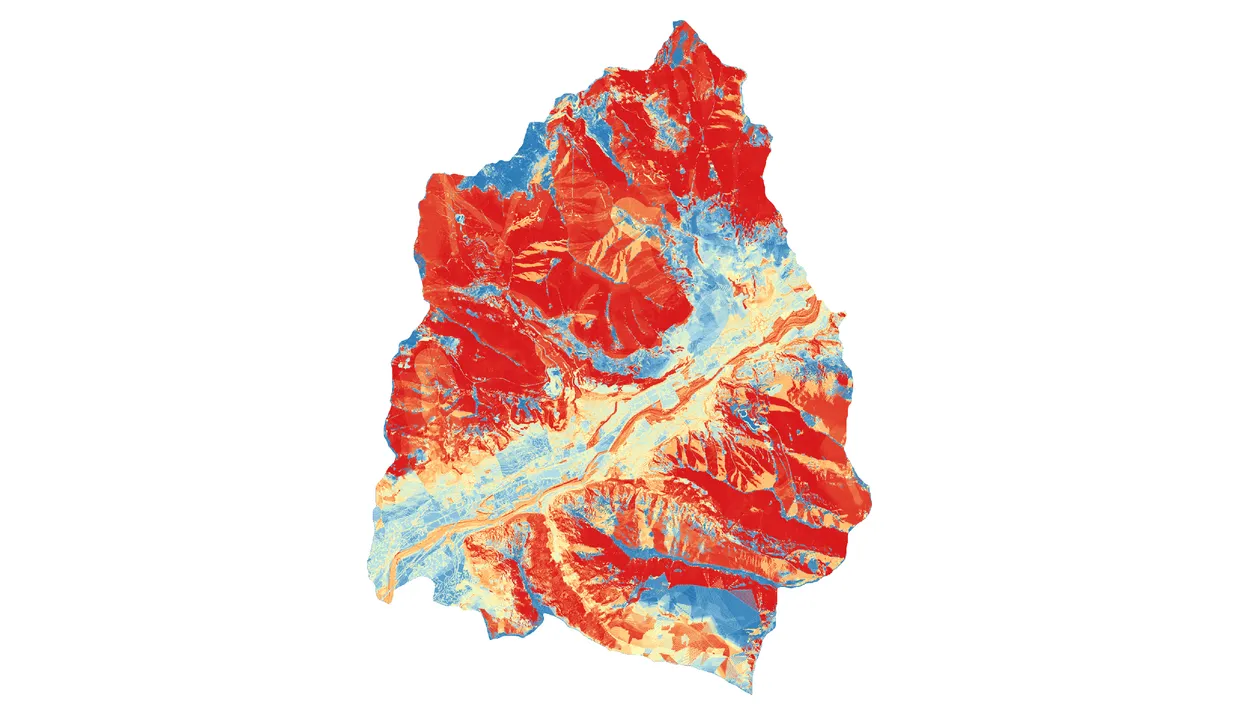
In our project, we conducted a comprehensive analysis focusing on landslide susceptibility in Northern Italy. Our mission was to enhance terrain stability awareness and improve risk management through detailed mapping.
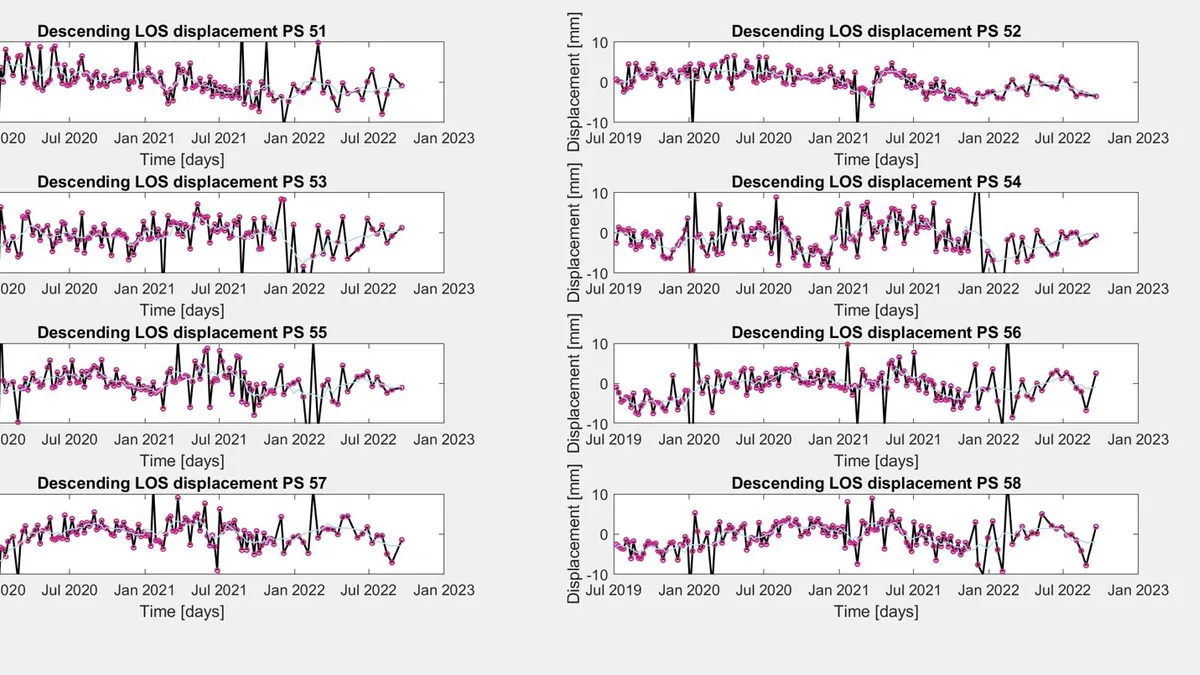
Five MATLAB laboratories analysing Persistent Scatterer InSAR displacement time series over the Nocelle dam against reservoir level and water-surface temperature: multivariate regression with significance testing, autoregressive modelling with lagged environmental terms, spline interpolation, spect…
Nine hand-written GNSS and positioning labs for Positioning and Location Based Services at Politecnico di Milano, implemented in a mix of Python and MATLAB: coordinate/reference-frame transforms, satellite orbit computation, ionospheric correction, pseudorange least-squares positioning, cycle-slip …
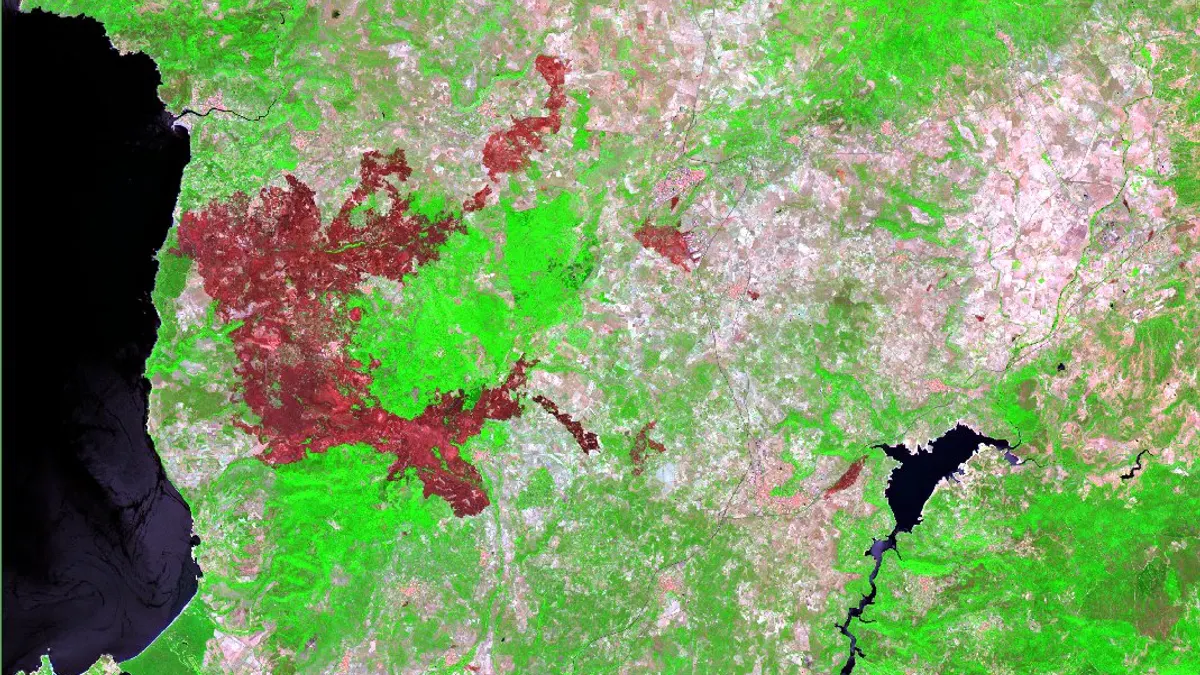
Earth Observation Fundamentals exam case study mapping the July 2021 Montiferru wildfire in Oristano Province, Sardinia, from pre- and post-fire Sentinel-2 L2A imagery. Combines a differenced Normalized Burn Ratio with a NIR-ratio index and applies a joint threshold to suppress cloud-shadow false p…
Developed CNN-based models for Blood Cell Classification and Mars Terrain Segmentation. Leveraged TensorFlow for efficient model training and deployment, achieving high accuracy in classification and segmentation tasks.
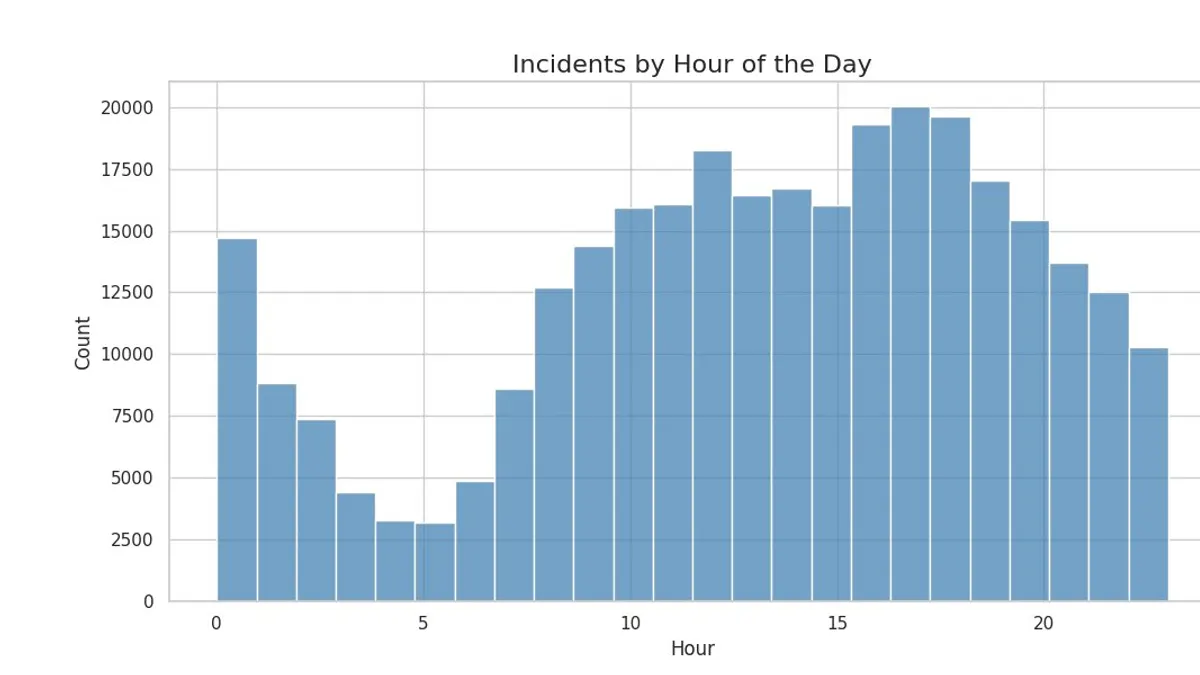
Full data-quality assessment and improvement workflow over a ~319k-row Boston crime incident dataset for the Data and Information Quality course. Profiles the raw data against completeness, uniqueness, distinctness and constancy, then repairs it through targeted imputation, geocoding, functional- a…
A comprehensive web application that provides support, resources, and education to victims of domestic violence, their families, and the public. The platform serves as a safe place where individuals can access critical information, connect with support services, and engage in community discussion.
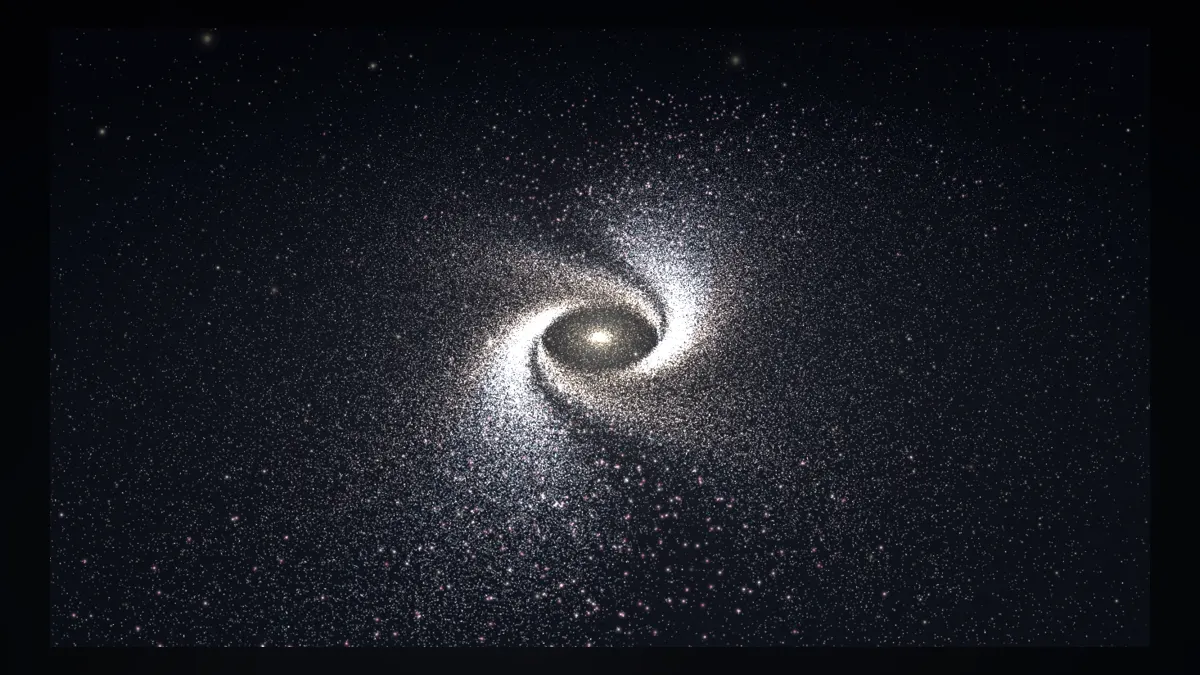
Ten-stage research-to-cinema pipeline that turns real open-access physics and astronomy papers into 8–15 minute cinematic explainer videos, told as narrative films rather than summaries. Every visual is deterministic, code-driven animation — Manim, Three.js via React Three Fiber, and Remotion — explicitly never generative video, and every factual claim traces back to a specific section, equation or figure of the source paper through a verified claims-map. The video engine of the TrenLens venture.
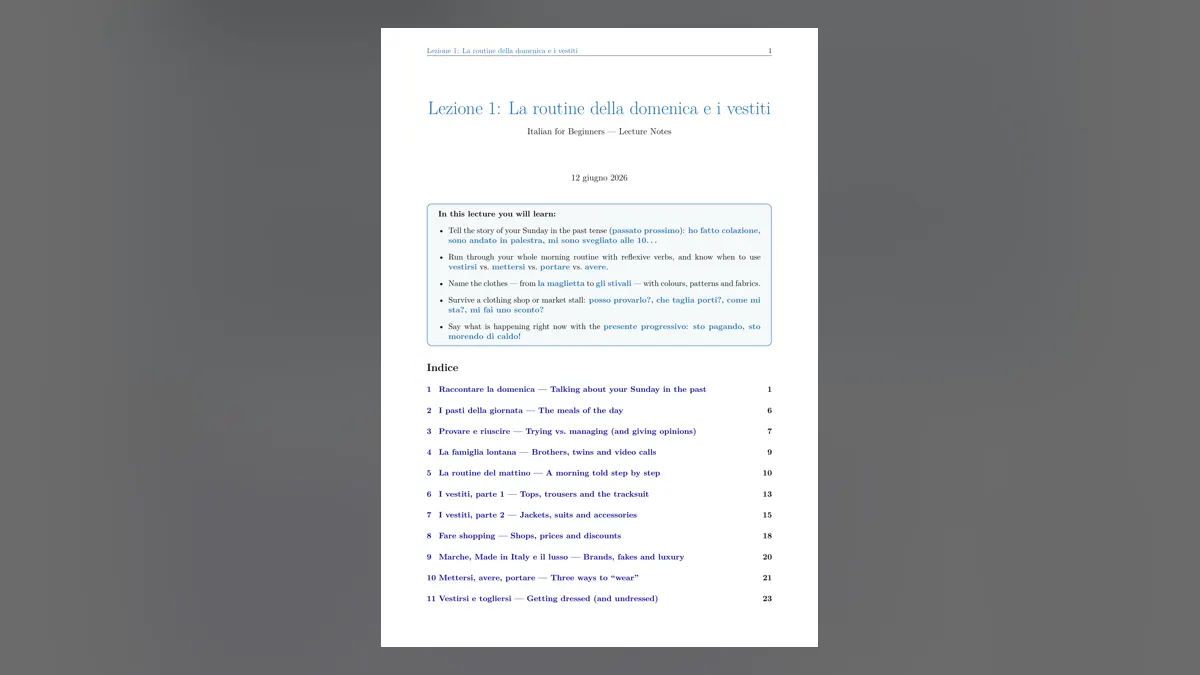
A Claude Code agent that turns raw Italian class transcripts into complete, publication-quality LaTeX/PDF lecture notes for a beginner English speaker — coloured boxes for translations, dialogue, common-mistake warnings, exercises and an answer key. The interesting engineering is the processing model: long recordings are split into numbered chunks with a MANIFEST, and a per-lecture state file tracks which chunks have been written, so a lecture can be processed across several sessions without re-reading the whole transcript. The skill is packaged with a reusable "plugin" template so the same machinery can be pointed at another subject.
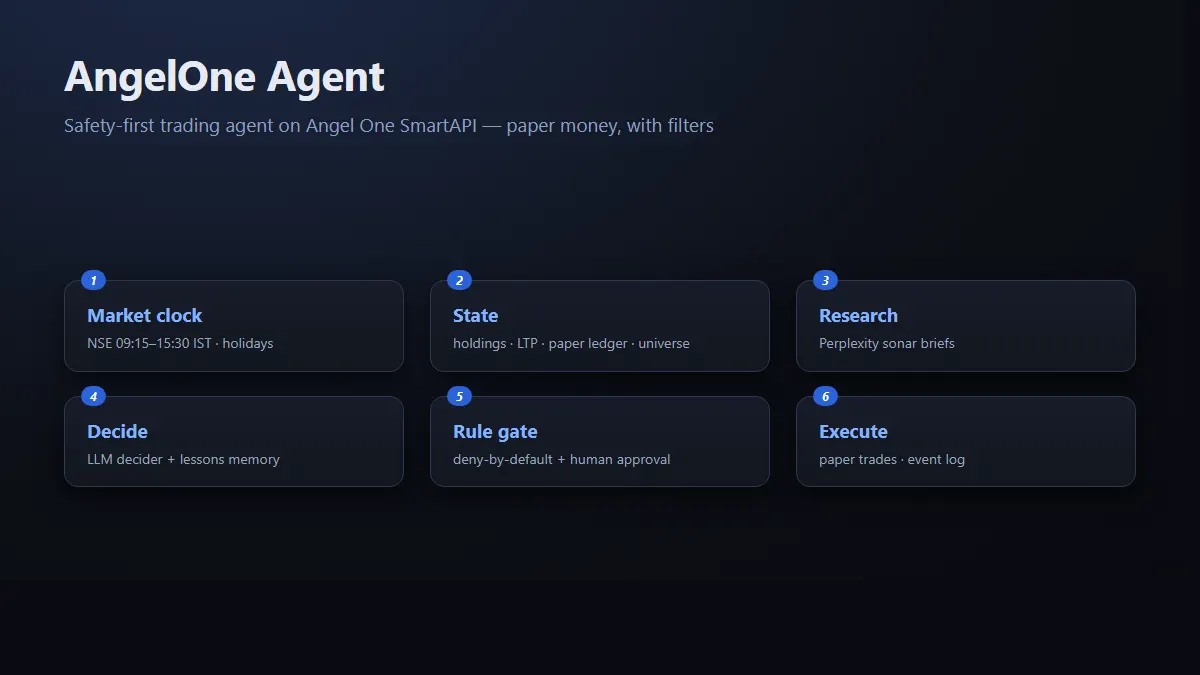
Safety-first automated trading and portfolio assistant for the Indian equity market, built on the Angel One SmartAPI. Four Model Context Protocol servers (read-only broker data, a stock universe with filters, an event-sourced paper-trading ledger, charting/indicators) sit under a headless research-and-decision agent that proposes at most one trade at a time. Every proposal must clear a deterministic rule gate before the ledger executes it. Currently paper trading only; real money is on the table only if measured performance holds.
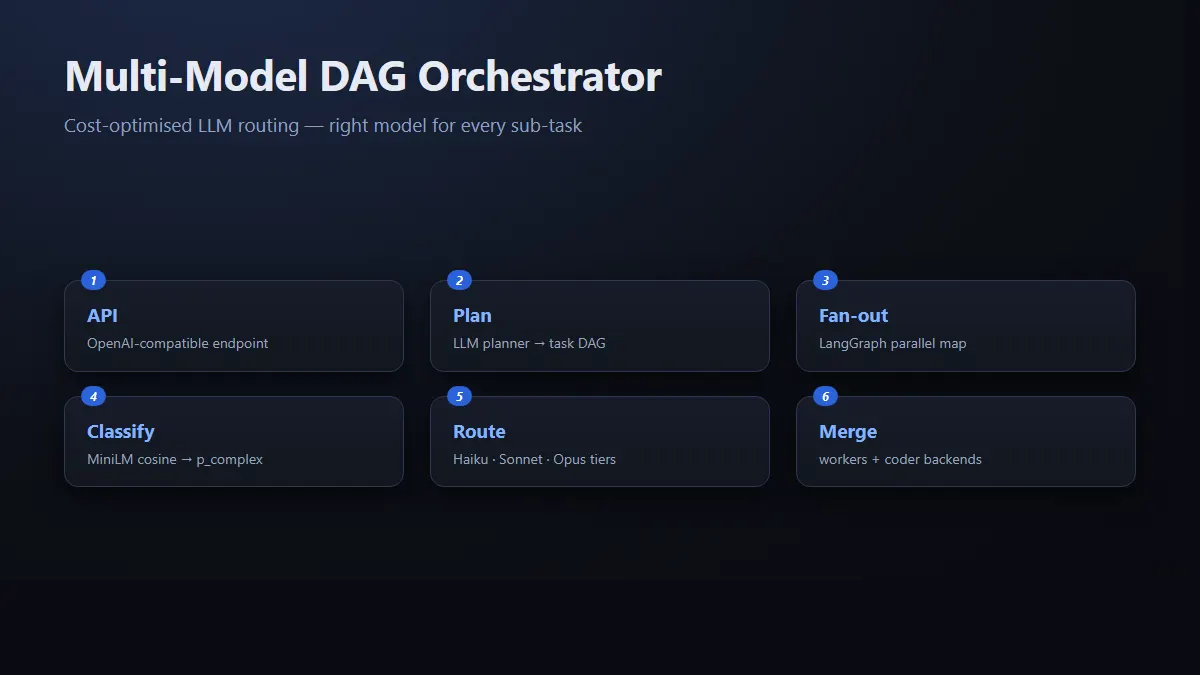
Cost-optimised LLM orchestrator: it decomposes an incoming prompt into a DAG of sub-tasks and routes each sub-task to the cheapest model that can do the job, escalating only when a quality gate fails. The routing brain is `orchestrator_router.py`, a FastAPI proxy carrying a local MiniLM complexity classifier and a sigmoid/threshold rule (P = 1/(1+e^-γ·δ) with calibrated alpha_low/alpha_high bands) synthesised from the FrugalGPT and RouteLLM literature. `dag_orchestrator.py` holds the DAG layer, `coder_workers.py` dispatches code/execution sub-tasks to sandboxed OpenHands or Open Interpreter runtimes, and a Streamlit dev_dashboard provides the operator view. The design is documented in a 23 KB DEVELOPMENT_PLAN grounded in Ammar's own thesis PRISMA corpus.
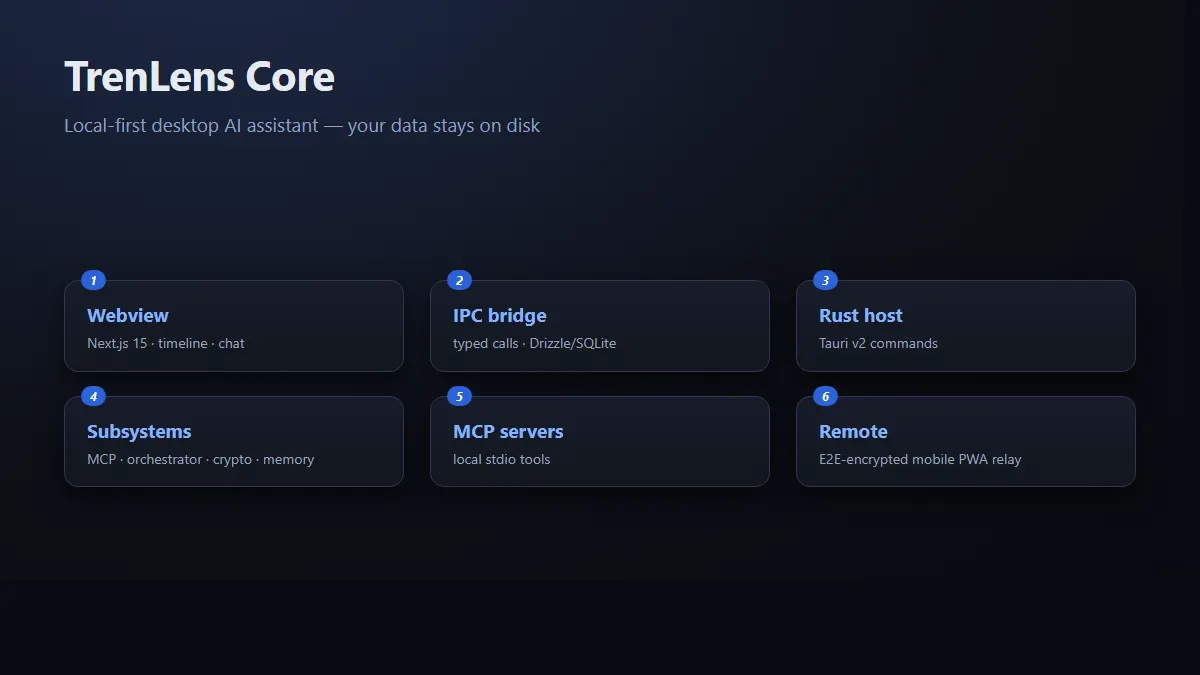
Cross-platform, local-first desktop AI assistant that orchestrates arbitrary tools over the Model Context Protocol. A Rust/Tauri v2 host owns the local SQLite database and all secrets while a Next.js static-export frontend reaches them only through a typed IPC bridge; BYOK provider keys are sealed with AES-256-GCM under an OS-keychain master key and never cross into the webview. Its standout subsystem is an end-to-end-encrypted "authenticated blind relay" that lets an installable mobile PWA drive the desktop engine. Publicly released under Apache-2.0 at 0.1.0-alpha.4.
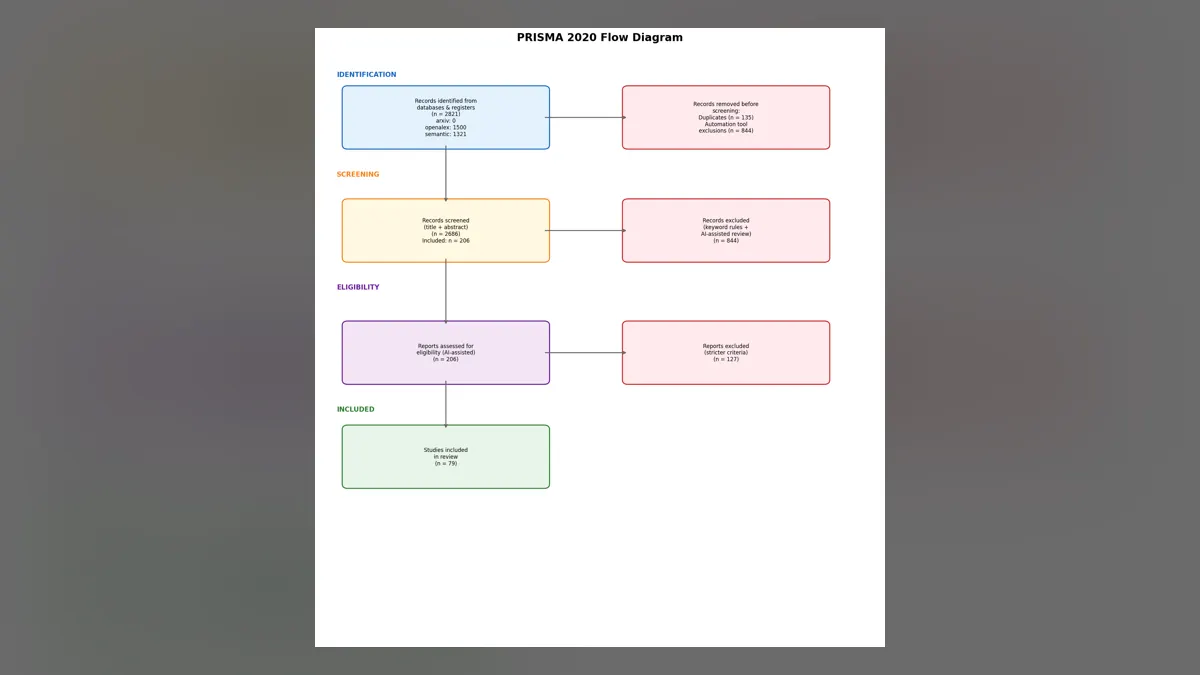
End-to-end automated systematic-review system implementing the PRISMA 2020 workflow: multi-database search, DOI + fuzzy-title deduplication, a rule-based keyword screening pass and an AI-assisted eligibility pass driven through MCP, ending in an interactive PRISMA 2020 flow diagram. One JSON state model is exposed through four front doors — CLI, FastAPI service, Next.js dashboard and an MCP server. Built to run the MSc thesis literature review, then generalised and released under MIT.
TrenLens is a solo-built, in-production media platform for long-form technology, AI, and science writing. Its centerpiece is an AI agent with 100+ Model Context Protocol tools and pluggable LLM backends (Claude, OpenAI, Ollama) that plans, streams over SSE, and calls the platform's own APIs so privileged users can run the whole site by conversation. It runs on a serverless Cloudflare Workers stack (D1, R2, KV, Workers AI) with 4-role RBAC and on-edge AI features.
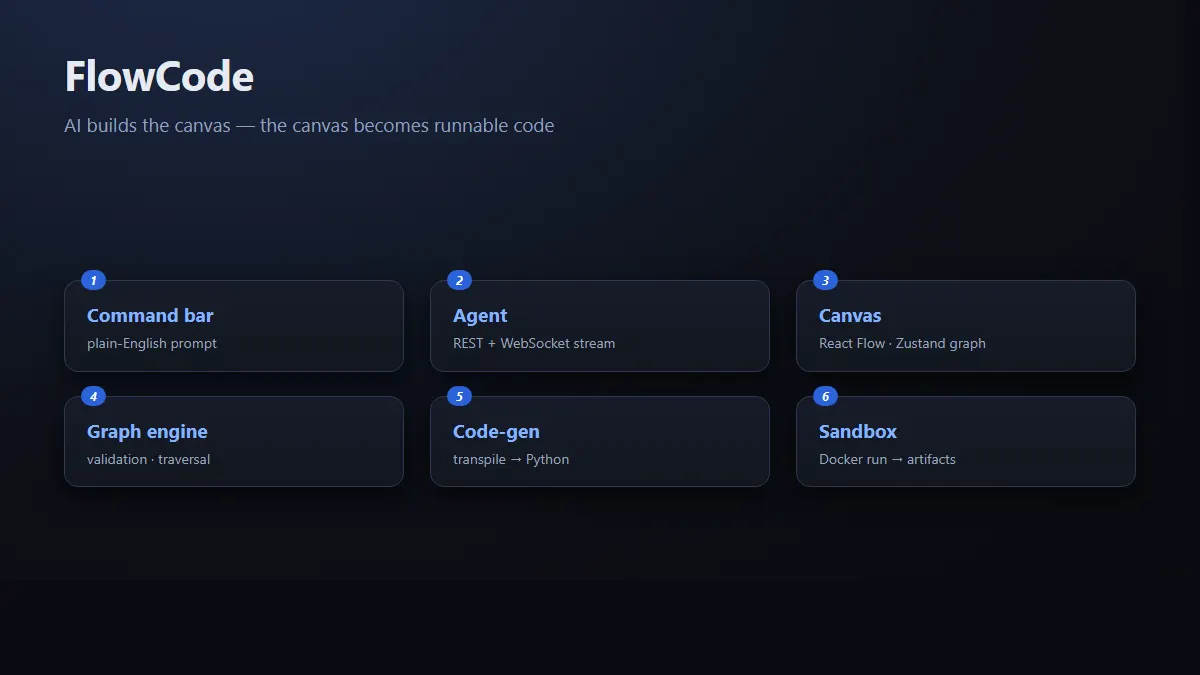
Visual pipeline builder for data science: place and wire module blocks on an infinite canvas, and an agentic layer generates, validates and runs the corresponding Python inside a Docker sandbox — including building a whole pipeline from a plain-English prompt. Implemented as a Turborepo/pnpm monorepo (React 18 + Vite + React Flow front end, Fastify 5 + Prisma 7 API, seven shared packages) and developed in explicit phases 0 through 2B with ADRs and written implementation guides. Phase 2B is merged and released as v0.6.0, with the canvas to Python to sandbox chain verified end to end.
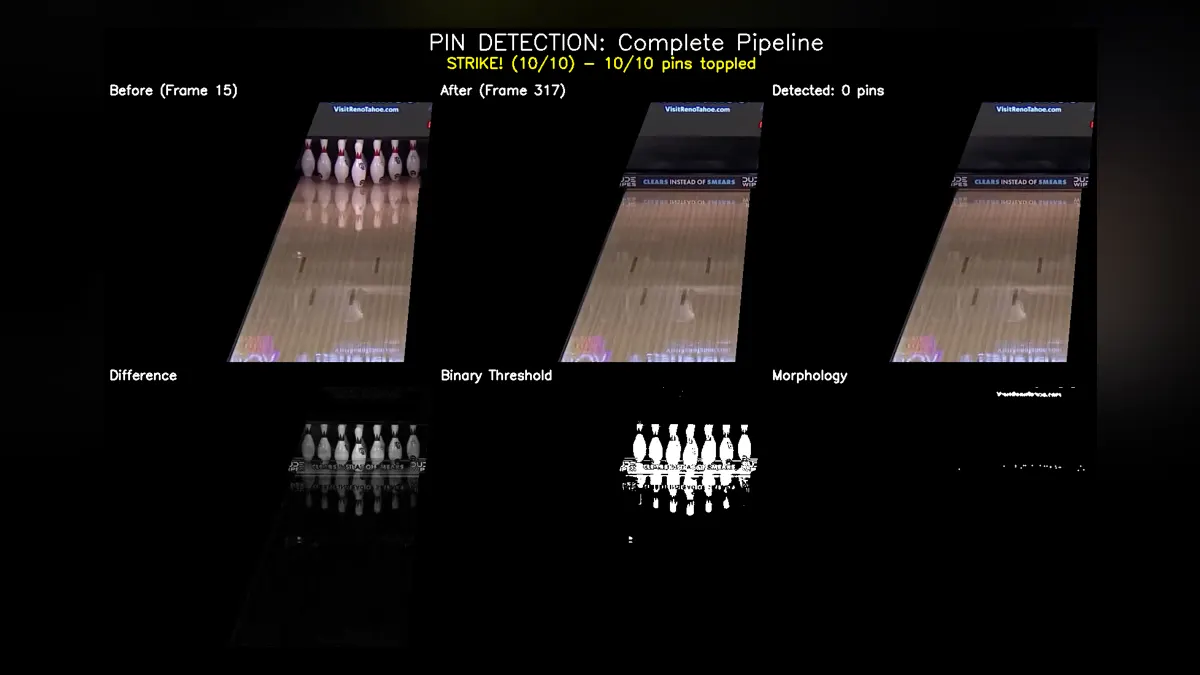
Computer-vision pipeline that analyses bowling videos end to end. Phase 1 detects all four lane boundaries (HSV lane masking, connected-component gap filling, context-aware scoreboard/logo removal, Sobel gradients and angle-constrained MSAC/RANSAC line fitting); phase 2 tracks the ball through motion detection, blob analysis, homography rectification, RANSAC trajectory fitting and rolling-median post-processing with overlay video output; phase 4 counts toppled pins by frame differencing and contour analysis. Built as a pair project alongside the Image Analysis and Computer Vision course, which was taken as an extra course.
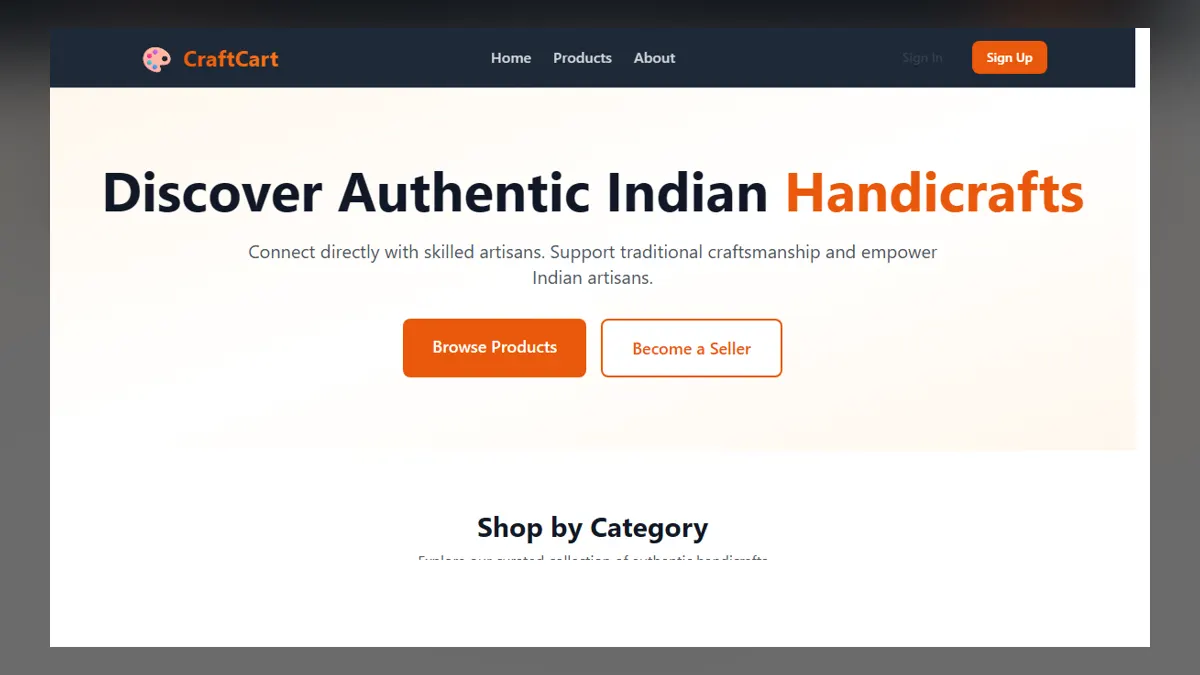
Full-stack artisan marketplace (Nuxt 4 / Vue 3 / MongoDB) connecting Indian artisans with customers, framed around UN SDG 8. Built end to end for a family member: dual seller/customer accounts, product catalogue and orders, and a seller analytics dashboard.
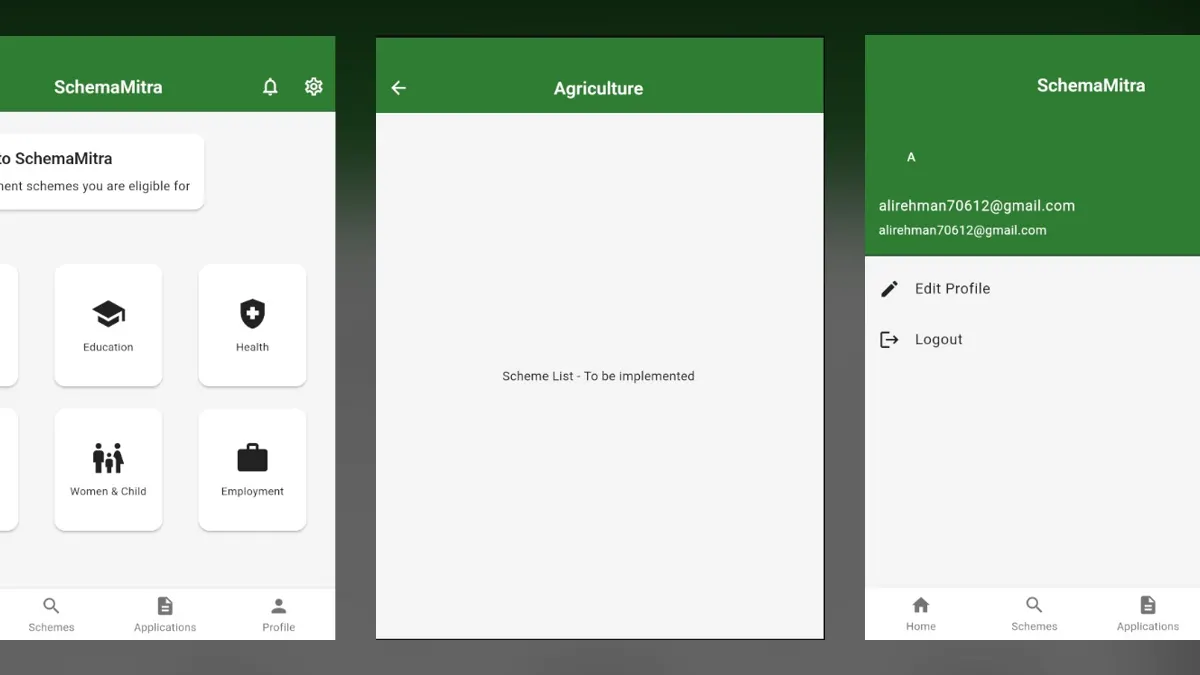
Android app (Flutter + Firebase) that helps Indian citizens discover, match against and apply for central and state government welfare schemes. Ships a 41+ scheme database across 9 categories with a 0-100% eligibility-scoring engine, a personalised feed, and the full application lifecycle from document upload to status tracking. Built end to end for a family member.
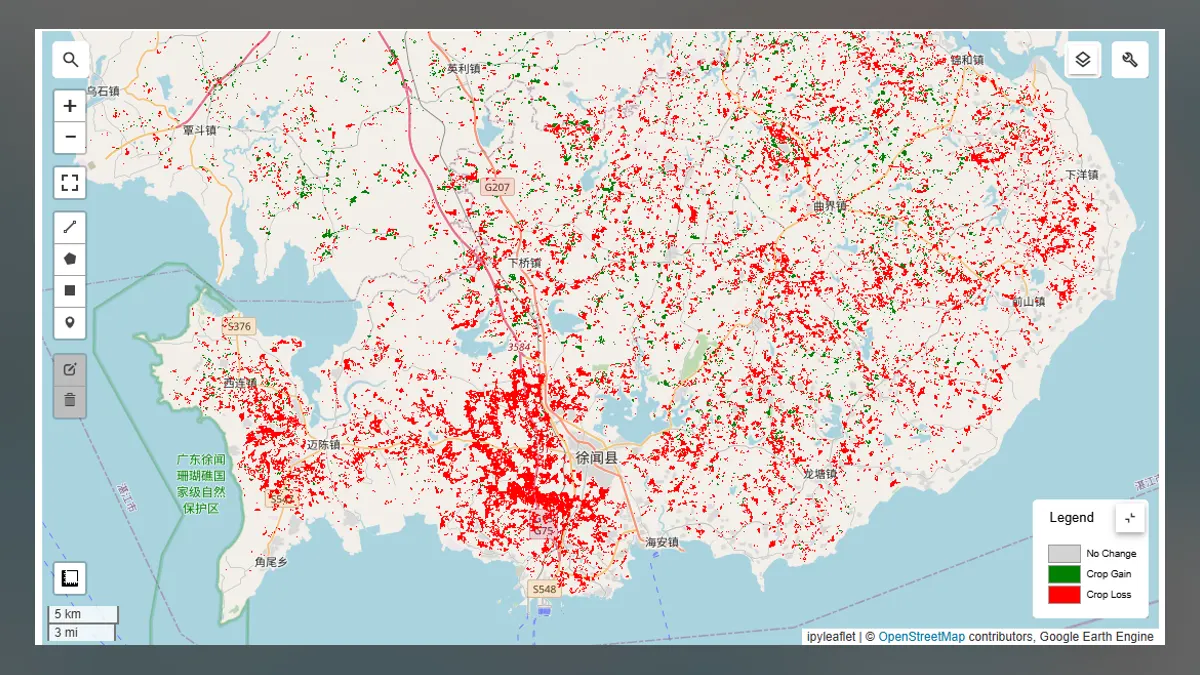
The first, independently-run research direction of the MSc thesis: benchmarking the CropLand-CD change-detection dataset (Guangdong, China) against Google Earth Engine Dynamic World, with a reproducible Docker/Jupyter environment and a 43-page three-part LaTeX technical report. Never presented formally; the direction was dropped on 2026-05-18 in favour of the AlphaEarth cropland-classification thesis, so none of it appears in the submitted manuscript.
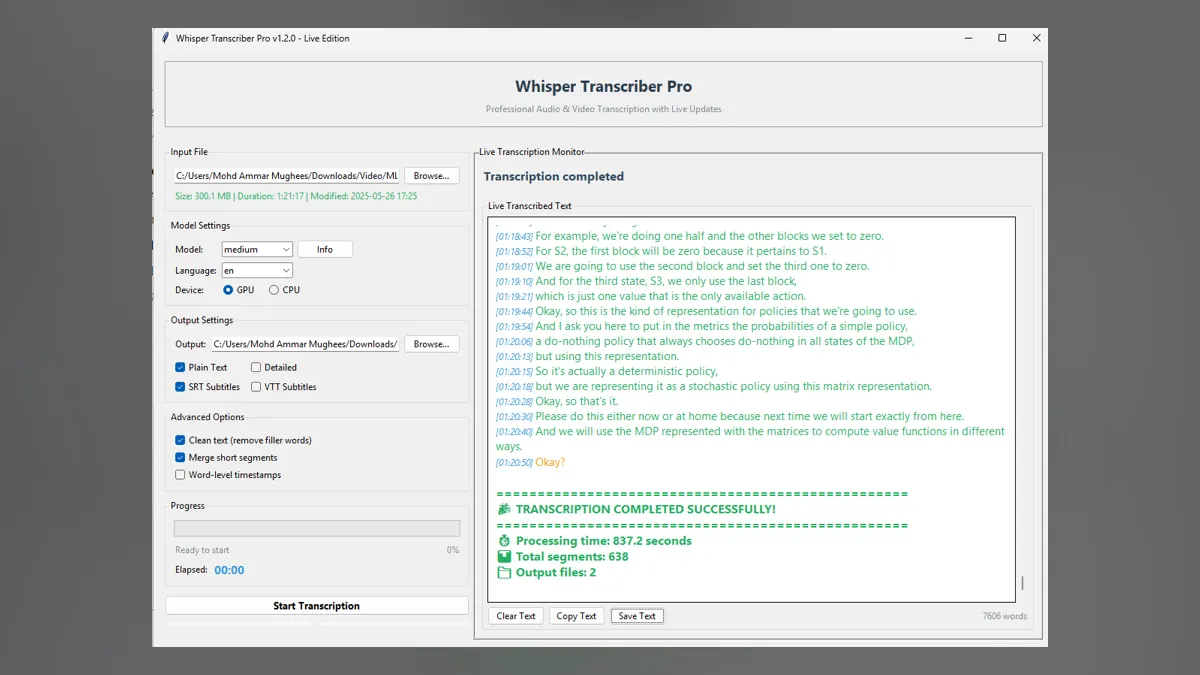
Cross-platform desktop application for AI-powered audio and video transcription, now at v2.0.0 "Turbo Edition". v2 replaced openai-whisper with faster-whisper/CTranslate2 and added batched GPU inference, INT8 quantisation, Silero VAD silence-skipping and greedy decoding, for a measured ~50x real-time speedup. A split-pane Tkinter monitor streams segments as they are produced with confidence colouring, live word count and ETA; outputs cover plain text, detailed transcripts and SRT/VTT subtitles across 50+ languages. MIT-licensed and public on GitHub.
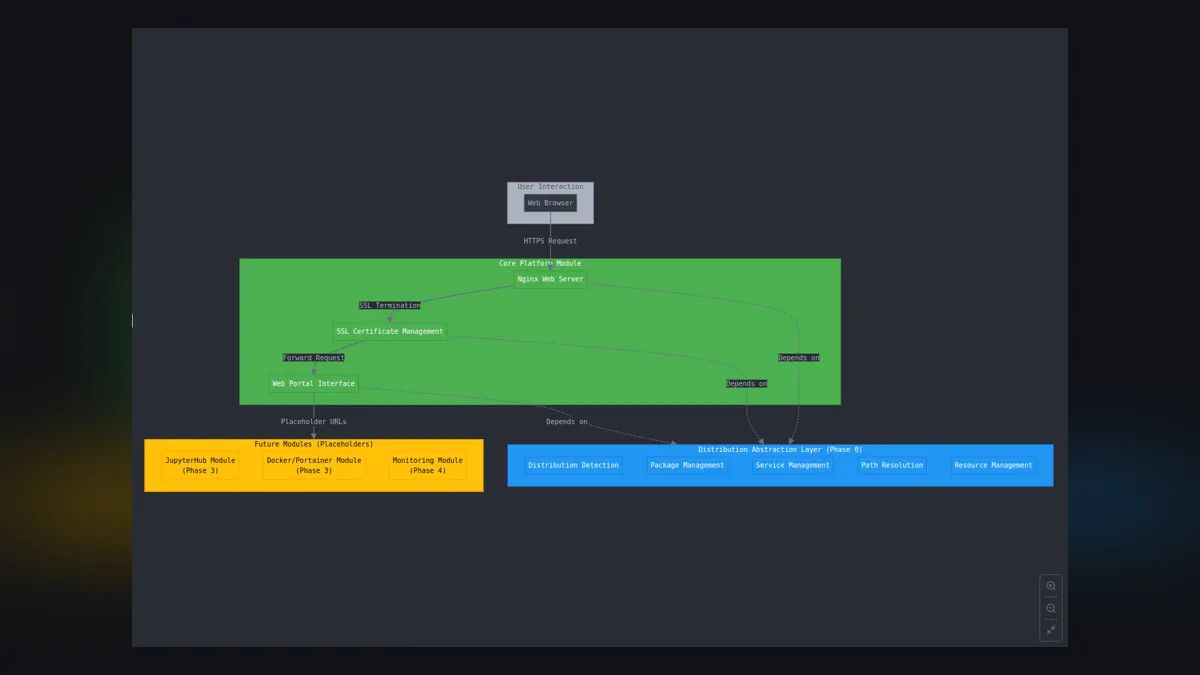
Self-hosted platform that turns a single Linux server into a shared multi-user cloud, handing out CPU, RAM, GPU and disk to several users through JupyterHub notebooks and Docker/Portainer containers. Its core engineering idea is a Distribution Abstraction Layer: six shell libraries that let the rest of the codebase call the same install/service/path/resource APIs across six Linux distributions, systemd and SysV init, and cgroups v1 and v2. Phases 0-2 of a six-phase plan are complete.
An AI-native portfolio platform built with Nuxt, Vue and Supabase. Beyond the public site and admin dashboard, it runs two production agents on one provider-agnostic core: a private assistant that manages content conversationally with approval-gated edits, and a public, topic-locked visitor assistant that answers questions about my work from published career data and reads my public GitHub live. A private career database is the single source of truth, so the projects, the CV page and the assistants never disagree.
Packaged Python library (`ui_detector`) that detects and classifies UI elements in screenshots — buttons, input fields, checkboxes, radio buttons, dropdowns, icons — and extracts positioned text via Tesseract OCR. It offers three detection modes: traditional OpenCV computer vision, a vision-LLM mode (GPT-4o / Anthropic), and a cost-optimised hybrid that uses CV for candidate proposal and calls the vision model only for classification and batching. A window_detector subpackage locates OS window boundaries, title bars and window controls, and a result_formatter emits a structured JSON schema (metadata + ui_elements + text_elements with bounding boxes, centres and confidences) plus annotated visualisations. It is the screen-perception module of the desktop-automation arc.
Fresh Flow is a Flutter-based mobile application leveraging Firebase for real-time database management and Google ML Kit for barcode and text recognition. It enables efficient grocery inventory tracking, expiry date monitoring, and dynamic shopping list generation. Core functionalities include authentication, CRUD operations, cloud synchronization, push notifications, and modular UI customization.
This research investigates the structural stability of high-voltage transmission tower foundations when constructed on hill slopes in the Himalayan region. Using finite element analysis, we evaluated the performance of transmission tower foundations on both plain ground and 45° inclined surfaces, identifying critical displacement patterns and stress concentrations. The study provides valuable insights for safer transmission infrastructure in mountainous terrains, especially in areas prone to earthquakes and landslides. The research was conducted at Aligarh Muslim University and culminated in a published paper in AIP Conference Proceedings.